

Welcome to the Ancient Kitchen. Here we explore history and natural dyes processed for painting palettes. In each dye class, you will learn how to make paint using botanical materials. This has been an ancient tradition since the beginning of time. Our great masters like Leonardo da Vinci used these methods. During the Renaissance and Dutch Golden Age, painters like Johannes Vermeer and Titian famously used "lake pigments" derived from flora like the madder root. Plant dyes have saturated the coverings of kings, covered the skin of Mayan Warriors for spiritual protection to the lands of Mexico today making natural dye and paint from avocados and seeds. I have chased color for years! Color has taken me around the world to 17 countries. Come along with me as I introduce you to color from around the world. Learn the history, uses, and recipes to make your own plant-based historical dyes. Each workshop is held on a weekend which allows for the two-three hour workshops. Please note that developing natural dyes can take days, weeks and sometimes months to complete. I have developed a workshop where several steps are documented for you but are prepared in advance due to time. I look forward to culture mapping color with you.


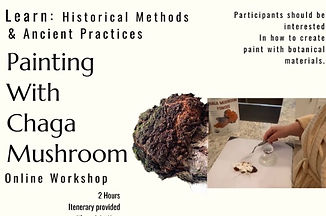

When you purchase a tutorial you receive 50% off a full workshop. When you download the tutorial you will receive a number attached to your purchase. In the future if you want to join a full workshop that is 2-3 hours long you are welcome to use your receipt from your download for a 50% discount. Thank you and I look forward to exploring the world’s ancient kitchen with you.
Materials you will need:
Each botanical material will have a different recipe. These videos are only meant to get your started, to inspire further investigation and to have you join a step by step workshop hosted by me Maria Schechter of the Ancient Kitchen.
You will need:
1. Tools & Equipment
-
rubber gloves: to prevent your hands from turning bright fuchsia or from getting burned.
-
potato masher or mortar & pestle: To crush and extract the juice.
-
strainer & cheesecloth: to separate the thick pulp and seeds from the rich liquid.
-
glass Jars: Wide-mouth jars for storing your liquid pigment.
-
note book: these are for notes you take on weights time and other observations you may want to remember when you want to recreate your color.
2. Watercolor Binder & Medium
-
gum Arabic Powder: This natural tree resin binds the berry pigment to your paper.
-
honey or Vegetable Glycerin: A few drops added to the mixture keeps the paint from cracking and helps it easily re-activate with a wet brush later.
-
winter green: this is our antimicrobial, anti fungal
-
stainless steel pots, making one color typically requires (2) posts.
-
a glass muller is a traditional tool used by artists to manually grind raw pigment powders into liquid binders (like oils, water, or acrylic emulsions) to create handmade paints
-
(2) painting knives
-
apron
-
gloves
-
sodium bicarbonate or alum
-
iron water (we will go over this and other mordants in online (live) workshops.
-
washing soda
-
strainer
-
paper coffee filters